
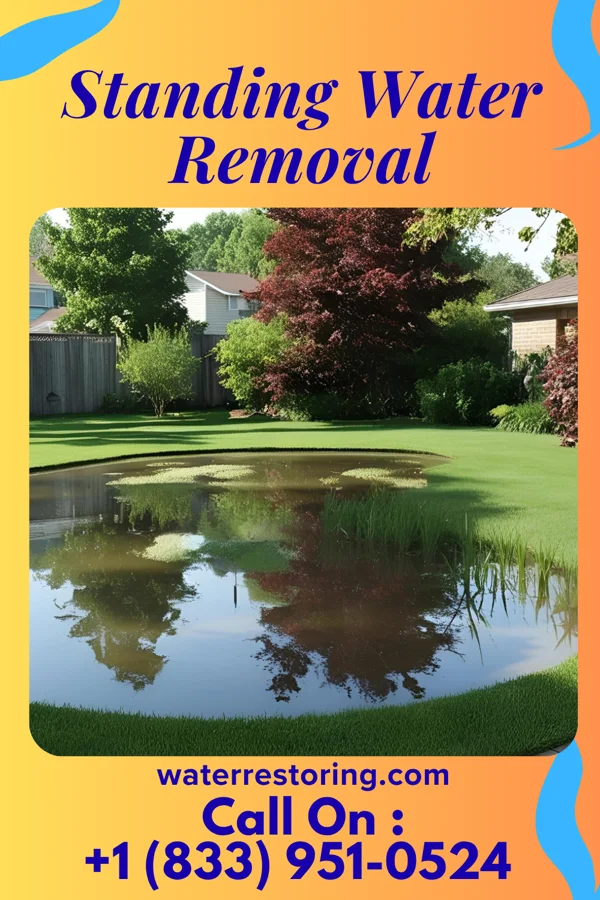
Why Holly Hill Sees Standing Water Often
The pattern in Holly Hill is consistent. In Holly Hill, Florida, primary water damage often stems from sudden plumbing failures, such as burst pipes or leaking water heaters, especially during the rainy season. Additionally, stormwater intrusion through poorly maintained drainage systems is a growing concern due to the area's proximity to coastal regions and frequent heavy rainfall. drives most of the emergency restoration calls we get. A close second is Secondary causes include flooding from nearby waterways, such as the St. Johns River, and water infiltration from basements due to high groundwater levels. Improperly sealed crawl spaces and aging infrastructure also contribute to persistent moisture issues in the community..
Holly Hill experiences a subtropical climate with high humidity and frequent tropical storms, increasing the risk of water damage. The area is also prone to seasonal flooding, particularly during late spring and early summer, which can lead to prolonged standing water and mold growth.
Holly Hill experiences a subtropical climate with high humidity and frequent tropical storms, increasing the risk of water damage. The area is also prone to seasonal flooding, particularly during late spring and early summer, which can lead to prolonged standing water and mold growth. The dominant local driver is In Holly Hill, Florida, primary water damage often stems from sudden plumbing failures, such as burst pipes or leaking water heaters, especially during the rainy season. Additionally, stormwater intrusion through poorly maintained drainage systems is a growing concern due to the area's proximity to coastal regions and frequent heavy rainfall., with Secondary causes include flooding from nearby waterways, such as the St. Johns River, and water infiltration from basements due to high groundwater levels. Improperly sealed crawl spaces and aging infrastructure also contribute to persistent moisture issues in the community. showing up as the next most common cause. Damage builds in stages. Spread. Absorption. Microbial growth. Structural compromise. Every stage you pass through adds to the final bill.